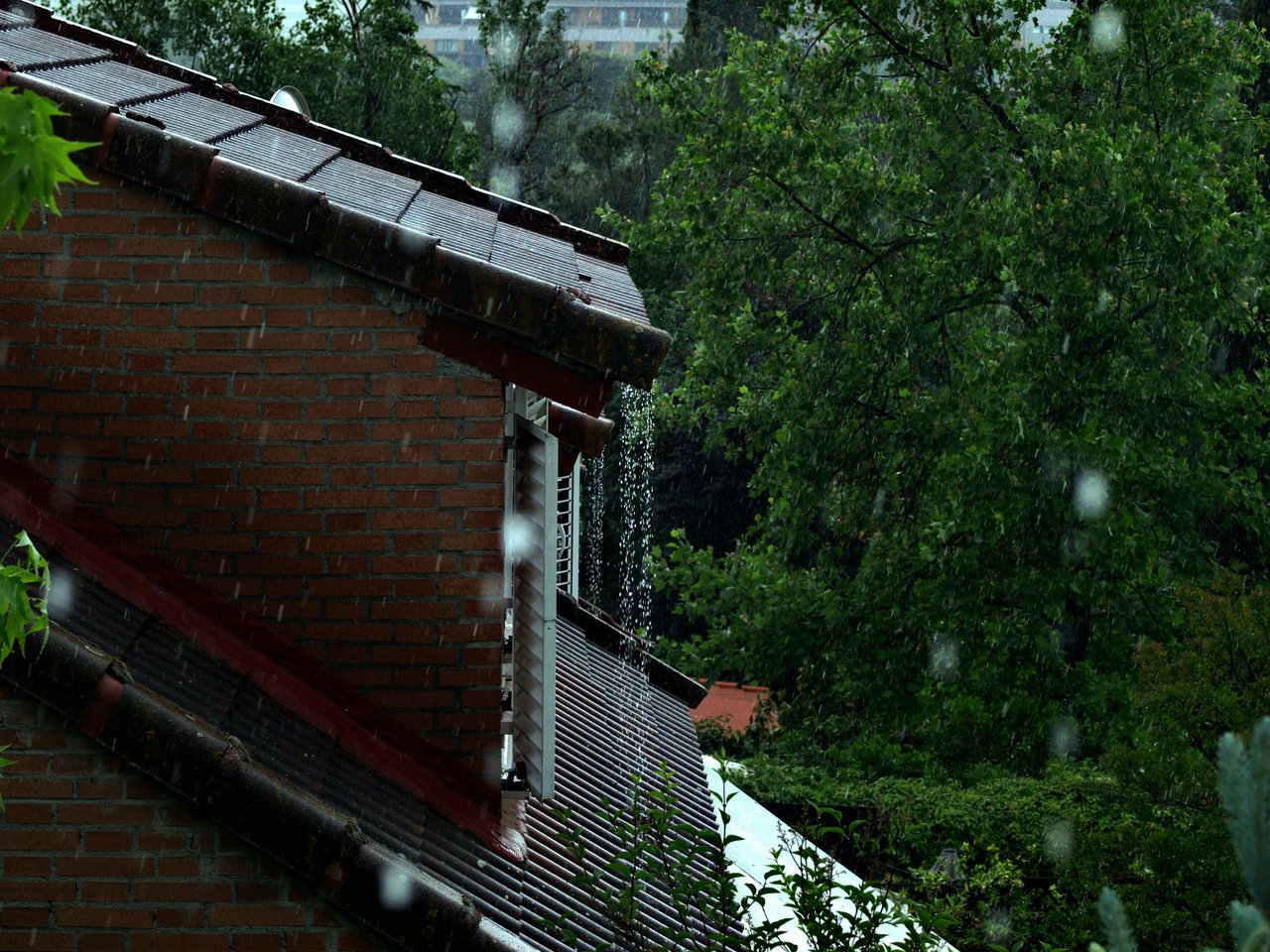
As Southern California transitions into the cooler months, homeowners throughout Orange County should take time to prepare their properties for the winter rainy season.
While Orange County winters are relatively mild compared to other parts of the country, seasonal rain, coastal moisture, temperature fluctuations, and occasional strong winds can create maintenance issues that are easy to overlook.
For homeowners in Newport Beach, Corona del Mar, Costa Mesa, Laguna Beach, and surrounding coastal communities, preventative maintenance is especially important. Salt air, moisture exposure, and aging exterior materials can gradually affect a home's condition if left unattended.
Whether you own a coastal estate, a single-family residence, or a condominium, a little preparation now can help prevent costly repairs later.
Here are seven important maintenance items to address before the winter season arrives.
1. Inspect Your Roof and Address Potential Leaks
Your roof is your home's first line of defense against the elements. Even a small roofing issue can become a much larger problem once consistent rainfall arrives.
Look for:
- Missing, cracked, or damaged roof tiles or shingles.
- Deteriorated flashing around chimneys, skylights, and vents.
- Signs of water staining on ceilings or in the attic.
- Damaged roof penetrations or exposed sealant.
Consider having a qualified roofing professional inspect the roof, particularly if it has not been evaluated recently.
2. Clean Gutters and Check Drainage
Clogged gutters and downspouts can prevent rainwater from draining properly, potentially directing water toward your home's foundation, exterior walls, or landscaping.
Before the rainy season:
- Remove leaves and debris from gutters.
- Make sure downspouts are clear and direct water away from the foundation.
- Inspect gutter connections for leaks or separation.
- Check that exterior drains are free of debris.
Proper drainage is particularly important for properties with hillside landscaping, sloped lots, or extensive hardscape.
3. Inspect Windows, Doors, and Exterior Seals
Over time, exterior caulking and weatherstripping can deteriorate, allowing water and moisture to enter the home.
Inspect the areas surrounding windows, sliding glass doors, exterior doors, and other openings.
Look for cracked caulking, loose weatherstripping, damaged seals, or signs of moisture intrusion.
For coastal properties, this is especially important because salt air and prolonged exposure to the elements can accelerate the deterioration of certain exterior materials.
Addressing these issues early can help protect interior finishes, flooring, and surrounding materials.
4. Check Exterior Paint, Wood, and Stucco
Exterior surfaces take a beating throughout the year. Before heavier rainfall arrives, walk around your property and inspect the home's exterior.
Pay particular attention to:
- Peeling or bubbling paint.
- Cracked or deteriorated stucco.
- Exposed wood trim.
- Soft or damaged fascia boards.
- Areas where water appears to collect against exterior walls.
Small repairs can help prevent moisture from reaching underlying materials and potentially creating more expensive problems.
If you notice recurring moisture or deterioration, have a qualified professional identify the underlying cause before simply repainting or sealing the area.
5. Service Your Heating and HVAC System
Although Orange County does not experience extreme winter temperatures, cooler evenings make a properly functioning heating system important.
Consider scheduling routine HVAC maintenance before the colder months.
A professional inspection can help identify potential issues, improve system efficiency, and ensure your equipment is operating properly.
Homeowners should also:
- Replace or clean HVAC filters as recommended.
- Check thermostat operation.
- Clear debris around outdoor HVAC equipment.
- Make sure vents and returns are unobstructed.
Routine maintenance can help extend equipment life and reduce the likelihood of unexpected repairs.
6. Inspect Landscaping, Irrigation, and Outdoor Areas
Heavy rainfall can expose drainage problems that may not be noticeable during the drier months.
Take a closer look at your property's landscaping, irrigation, and outdoor living spaces.
Trim overgrown trees and branches that could become hazardous during strong winds. Check irrigation systems for leaks and adjust watering schedules to account for seasonal rainfall.
For properties with pools, patios, outdoor kitchens, and extensive landscaping, make sure water can drain properly without collecting around structures or entering the home.
A well-maintained exterior protects the property while preserving its overall presentation and curb appeal.
7. Test Safety Equipment and Inspect Plumbing
Winter is also a good opportunity to review basic household safety and plumbing systems.
Check smoke alarms and carbon monoxide detectors, replacing batteries or units as needed and following manufacturer recommendations.
Inspect visible plumbing connections beneath sinks, around water heaters, and near appliances for signs of leaks or corrosion.
If your property has older plumbing, consider having a licensed plumber evaluate any recurring issues before they become more significant.
Preventative maintenance is often far less expensive than addressing an emergency repair.
Protecting Your Home Is About More Than Appearance
A well-maintained home is not simply about curb appeal. It is about protecting the property, preserving its condition, and addressing small issues before they develop into larger expenses.
For homeowners considering selling in the next 6 to 12 months, winter can also be an ideal time to evaluate the property's overall condition and identify improvements that may make a difference when it eventually comes to market.
Not every improvement requires a major renovation. Sometimes, addressing deferred maintenance, refreshing landscaping, and taking care of minor repairs can make a meaningful difference in how a property is presented to prospective buyers.
A Final Thought for Orange County Homeowners
Whether you are enjoying waterfront living in Newport Beach, the coastal neighborhoods of Corona del Mar, or the established residential communities of Costa Mesa, maintaining your home throughout the year is one of the best ways to protect your investment.
A little preparation before the rainy season can go a long way.
If you have questions about your property's current market value, are considering improvements before selling, or simply want a second opinion on how your home compares to others in the neighborhood, I'm always happy to be a resource.
Evan Balsis
Real Estate Advisor | Global Luxury
Coldwell Banker Realty